Keys to the Kingdom
I can’t stop thinking about this post letter from the mad king:
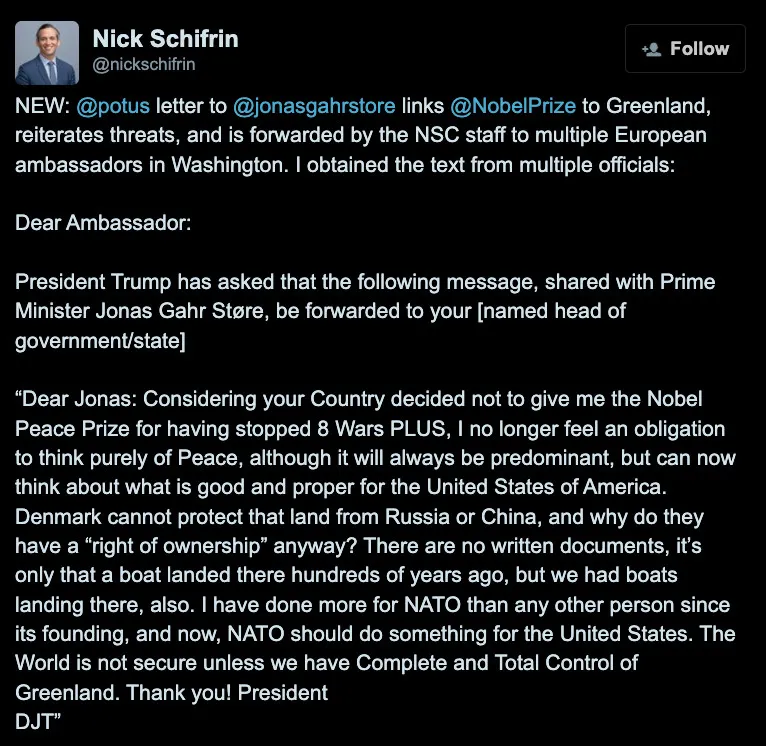
Last year, as background for a project with Zhaotian Luo and Spencer Pantoja on relational contracts in autocracies, I read The Last King of Scotland, Giles Foden’s superlative portrait of Idi Amin. In his charisma, narcissism, and sheer insanity, the Ugandan dictator bears a closer resemblance to Donald J. Trump than the current American president does to any of his predecessors. Amin did enormous damage before his removal from power. Trump, I fear, will do the same.
Foreign military intervention brought Amin’s mad reign to an end. To send Trump packing, we need 67 U.S. Senators willing to convict after what seems an inevitable impeachment. Count me among those who think this is more likely than the betting odds suggest. But to get there, Trump’s approval ratings need to drop—a lot, maybe into the 20s. And so it is worth thinking about who his current supporters are. Here is my idiosyncratic classification, with some overlap among categories:
- True believers. Voters for whom Trump can do no wrong. Those who think he was sent to save America.
- Partisans. Individuals for whom opposition to Trump means support for a party that they cannot imagine supporting.
- Programmatic voters. Those broadly aligned with the Trump agenda as articulated during the 2024 campaign.
- Retrospective voters. Those who voted against Harris because of Biden’s perceived failures on the economy and immigration.
- Sanewashed viewers. Otherwise reasonable conservatives who, rather than drinking directly from the Truth Social fire hose, consume the satirized version of Trump peddled on Fox News.
- First-term misunderstanders. People who remember Trump’s first term as more bombast than destruction, failing to appreciate the extent to which he was restrained by staff no longer present.
Much depends on the relative size of these various groups—and how sensitive their support is to the unfolding chaos.